
Staying Curious
Alongside design projects, Amanda makes time for research, teaching (at the Welsh School of Architecture, Cardiff University), reading, observing and reflecting on the world around us and the issues affecting architecture, art, landscape and placemaking in Wales and beyond. In this blog you can find a collection of essays, reviews and reflections relating to the work of Situated Studio.

Growth – Creative Mornings Cardiff Talk: How creating ideas at the ‘edge’ of architecture has helped us grow
On Friday 28th November 2025, Situated Studio’s Amanda Spence and Rhian Thomas of Analog Architecture we invited to give the monthly talk at Creative Mornings Cardiff, exploring the theme of Growth.
As regular collaborators, this was an opportunity to share our interwoven journeys in practice, and how our experience of creating and delivering ideas at the ‘edge’ of architecture – where it overlaps with art, landscape and research – have helped us grow personally and professionally.
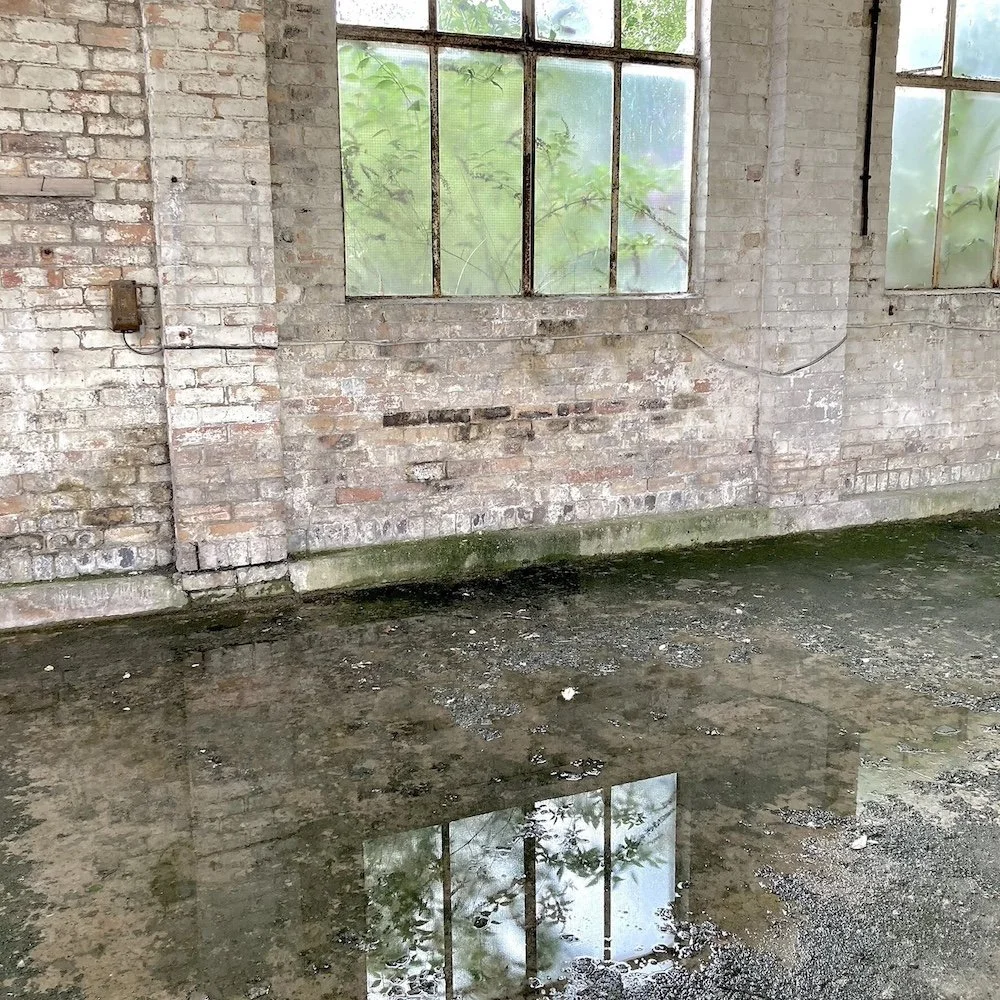
Waiting Space
With production coming to an end in 2008, the Spode pottery works now sits largely derelict at the heart of Stoke-on-Trent. One or two buildings have been repurposed and a few demolished, but the majority of the city-like site is subject to decay at various rates. It feels abandoned and forgotten, with the fabric of the buildings and objects left behind traces of the activities and life which once occupied the myriad spaces. Weather has been eroding and peeling back the layers and nature is slowing taking over. There is a strange quietness which hangs inside and in between the buildings; almost like they are waiting for something to happen. The exposed construction and direct nature of the redundant buildings lends a sense of realness to this fascinating place.

Reading and Re-Writing Place: A Response to Landscape
Creating good places demands an informed and critical response to place and context. Only through a considered response to landscape can we make places which are locally distinct, use resources responsibly, take full advantage of the opportunities offered by the site, overcome the challenges of topography and climate and embrace the spirit of a place. This is an approach which is at the heart of our working ethos. The studio is founded on the principle that we must first understand and interpret, at various scales and various levels, the contexts and places in which we work.
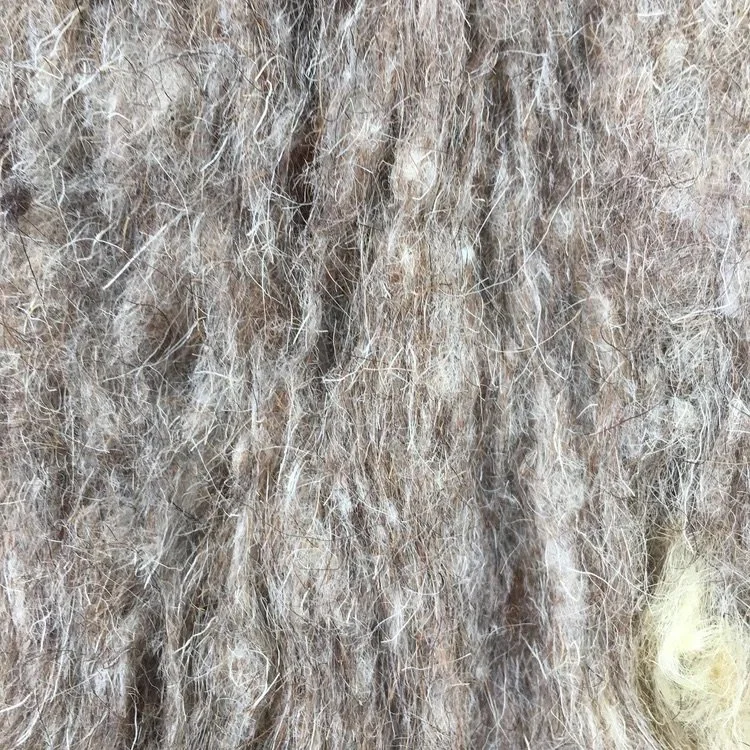
Building Simply 05: Eco-simplicity
If environmental sustainability is not integrated into the building design process at an early stage, there is a risk that complex and expensive equipment and products will be required to meet energy-use and comfort standards. The Building Simply framework proposes an approach to architectural design which is intrinsically sustainable, making efficient use of resources to create comfortable, joyful places. This final essay in the Building Simply series completes our framework for Building Simply.
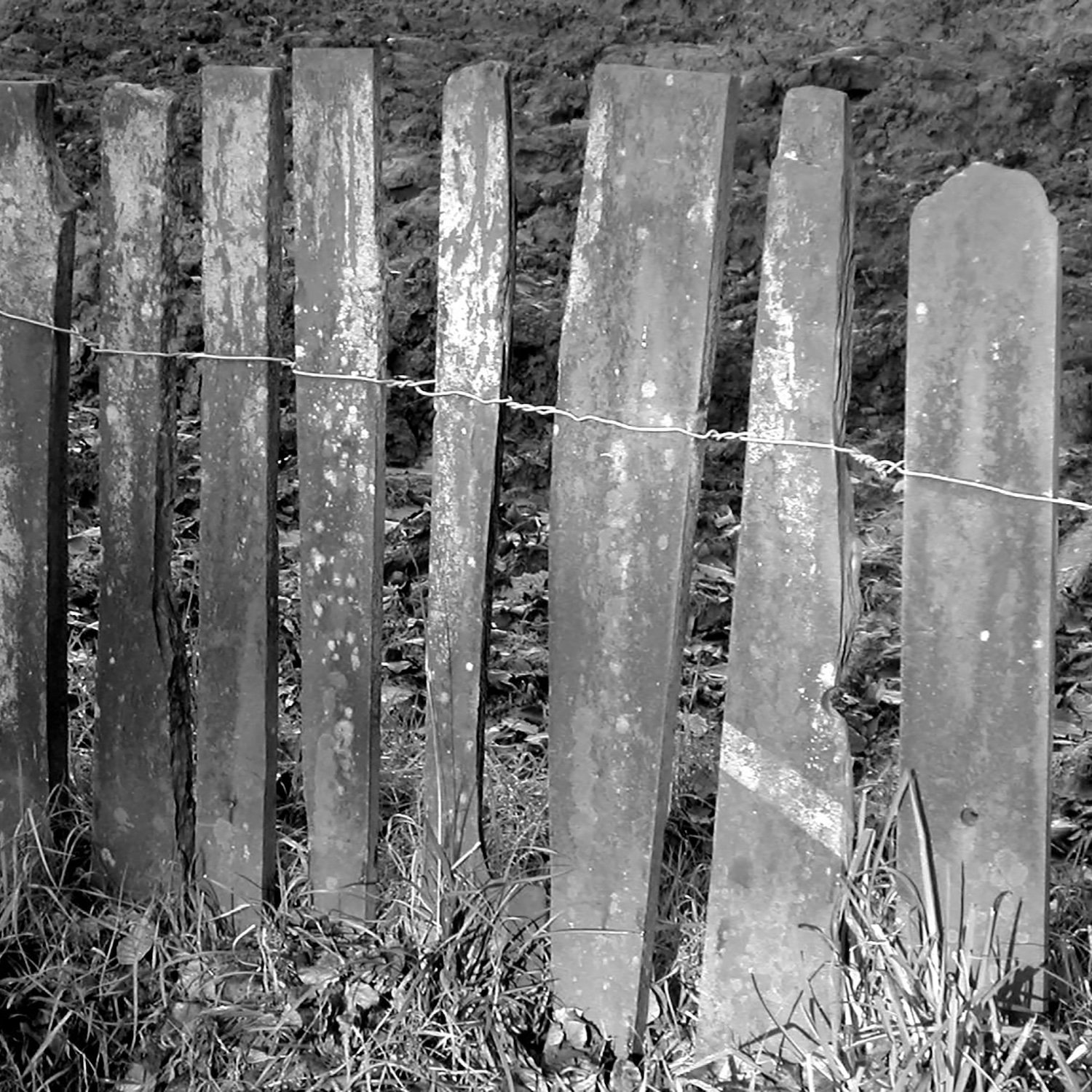
Building Simply 04: Constructing simply
There is a growing trend towards the use of natural, bio-based and minimally processed materials in building, but this practice is far from being mainstream yet. This article, along with the previous and following essays in the Building Simply Series, set out our framework for Building Simply. The themes follow the design and construction process from the analysis of the site, through design, to detailing and sustainability.
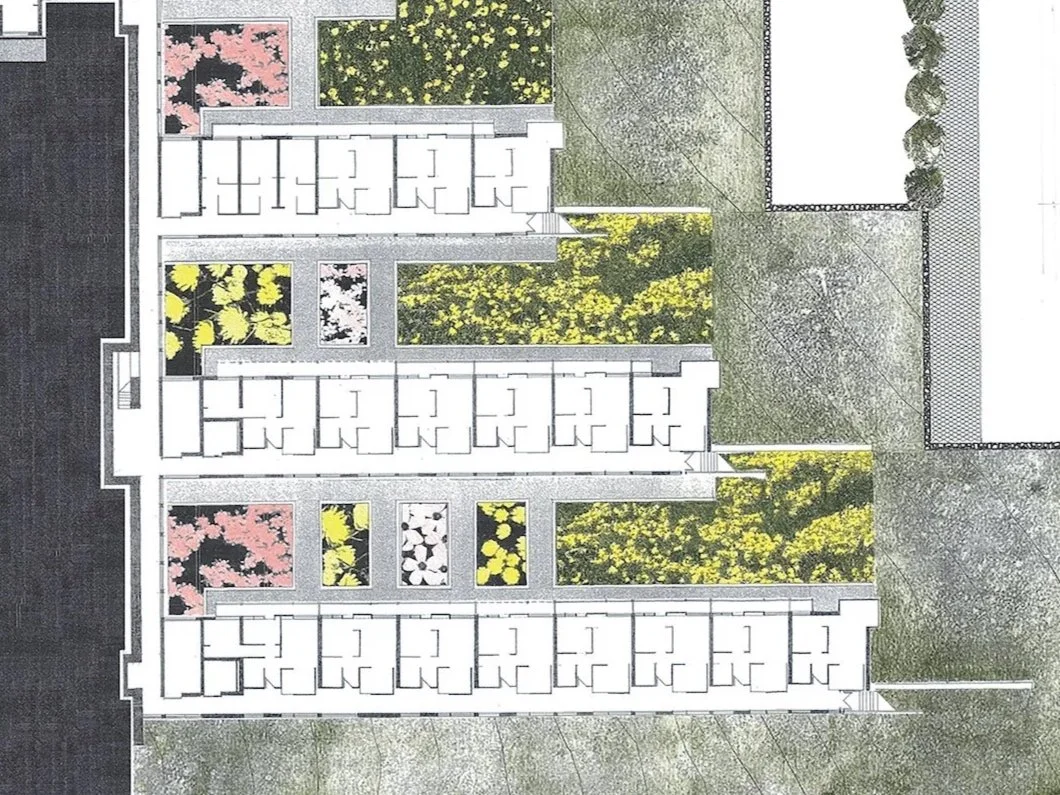
Building Simply 03: Order and composition
The Building Simply ethos advocates a rational and justified approach to architectural composition, which leads to calm, ordered and timeless buildings. This essay sets out our framework for Building Simply, focussing on the composition and form-making elements of the design process, which need to be ordered and rational. In a sense, the framework is a non-prescriptive guide for how to build simply; it establishes a set of criteria for Building Simply, but there are many ways in which it can be achieved.
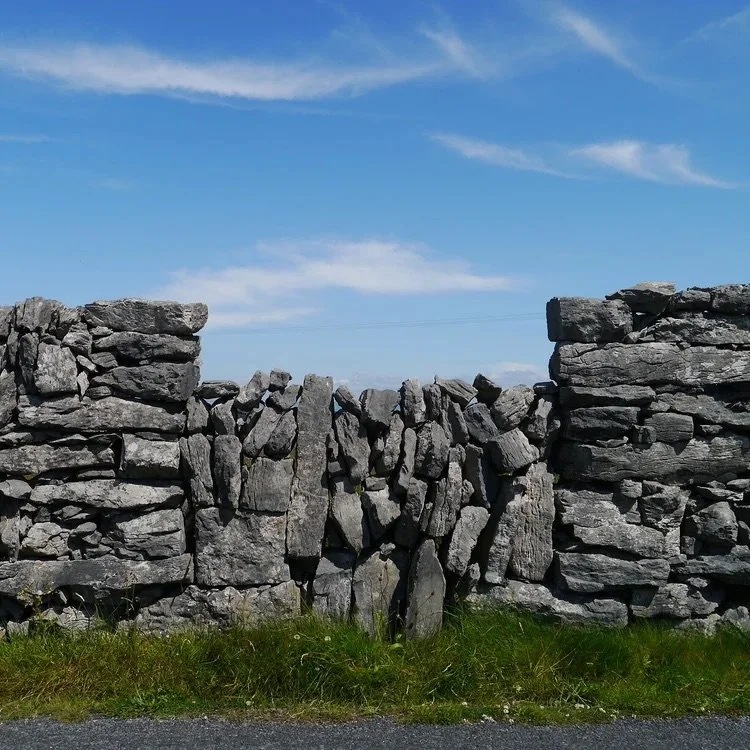
Building Simply 02: Learning from the vernacular
On our travels and when exploring the local context for new projects, we are often drawn to vernacular architecture and traditional building patterns. This article, the second in the Building Simply series of essays, considers the value of learning from vernacular architecture for building today, and how it can inspire a contemporary approach to design which avoids pastiche.
Building Simply 01: An introduction
Introduces the concept of Building Simply and explores the benefits and challenges of this approach to architecture in the UK. It sets out why the ethos of building simply is a beneficial and sustainable antithesis to the wasteful, lazy and irrational way of building which prevails in current, commercially driven architecture.
In and Between
We have been exploring ways in which architects can work with the ‘sensory elements of space’. Those sensory elements, such as light, wind, movement, views, heat and cold, are the qualities that fill the spaces we create when we practice architecture – the spaces in and between buildings. We believe that by being better at observing these qualities, adding new layers to the design process and rethinking our approach to environmental design, we can offer architecture which is more generous in the experiences it provides for people without necessarily costing more.